Sometimes frequent flying rewards you in unexpected ways, and this flight is a perfect example of that. On a previous trip, Finnair had to reroute me from Milan to Seoul, and instead of flying my usual oneworld combination, I ended up on Korean Air. At the time I didn’t think much of it, but once the miles posted, I realised just how generous the accrual had been. That single international economy class flight credited enough Korean Air miles to redeem a one-way domestic flight within South Korea. One long-haul economy ticket turning into a free domestic flight? That’s real, tangible value, and a great reminder that alliance-hopping occasionally pays off in a big way.
Boarding in Jeju
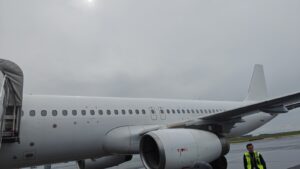
Boarding at Jeju Airport was, frankly, chaotic. The same gate was being used back-to-back, and almost the moment the previous flight finished boarding, staff began calling passengers for my flight. There was very little downtime, and the gate area quickly filled with people trying to figure out whether boarding had actually started or not. Announcements came fast, lines formed instantly, and the whole process felt rushed from the outset.
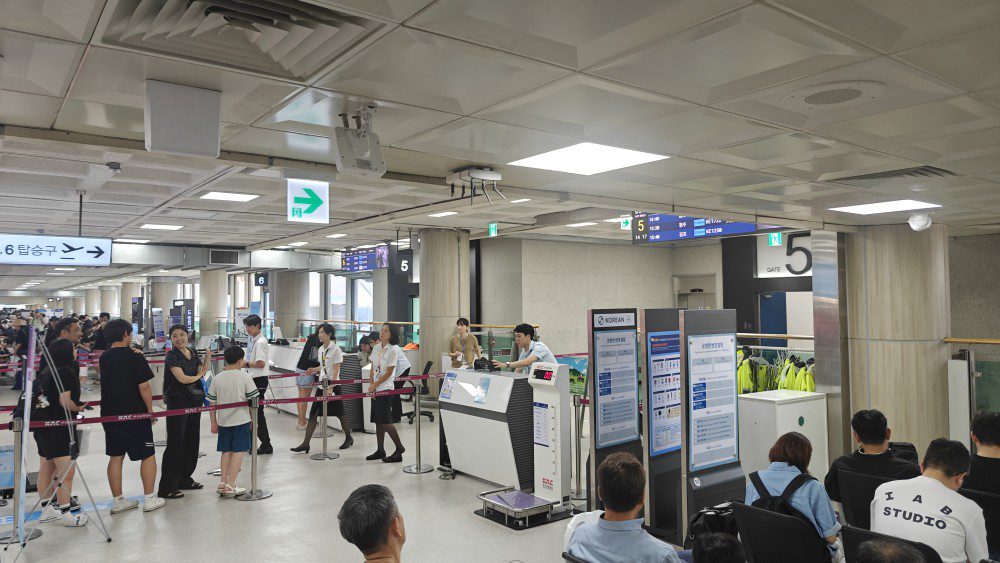
This is where SkyPriority genuinely earned its keep. With the gate crowded and boarding moving at a brisk pace, having access to the priority lane made a noticeable difference. Instead of getting swept up in the mass of passengers, I was able to board calmly and early, which is always appreciated on a short-haul flight where overhead bin space can disappear quickly.
The Cabin
Korean Air’s domestic economy cabin is functional, but that’s about the nicest thing I can say about it. The overall look is dull and noticeably dated, especially compared to other airlines’ newer fleets. Seat materials and colour schemes feel like they belong to an earlier era, and there’s very little in the way of modern flair.
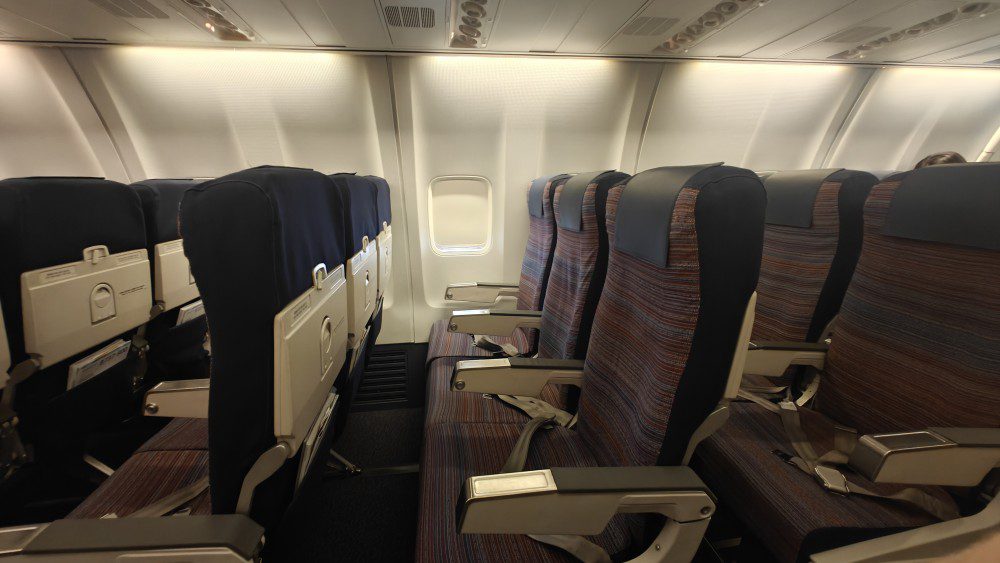
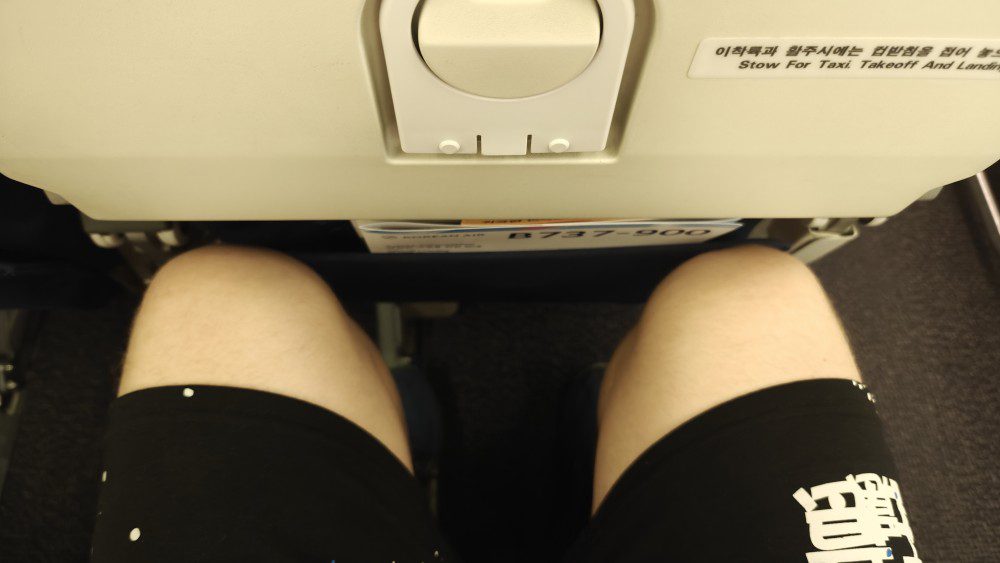
Legroom is also extremely tight. Even by short-haul standards, the pitch felt minimal, and taller passengers will quickly notice how little space there is to stretch out. On a flight of this length it’s not a deal-breaker, but it’s certainly not comfortable. This is very much a “sit down, buckle up, and wait for landing” type of cabin, rather than anything you’d actively enjoy spending time in.
Catering
Catering on Korean Air domestic economy is minimal but complimentary. Drinks consisted of either water or juice, served quickly and efficiently. There’s nothing else offered, but given the short flight time, that’s hardly surprising.
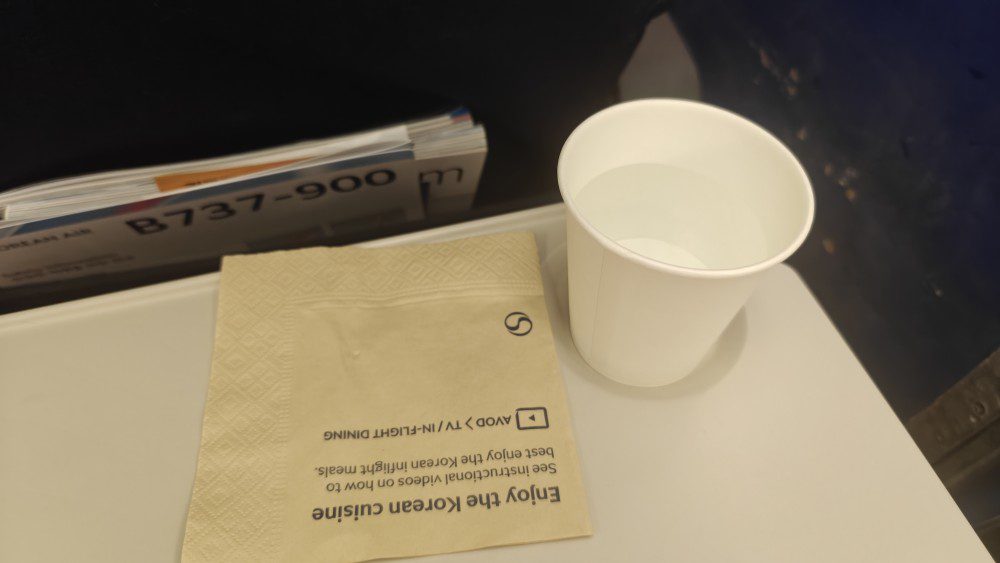
Interestingly, this is one area where economy and business class are essentially identical. Business class passengers receive the same drinks, which underlines just how utilitarian Korean Air’s domestic service philosophy is. This isn’t about indulgence or experience; it’s about efficiency and moving large numbers of people across the country as smoothly as possible.
Final Thoughts
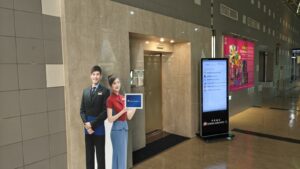
There really isn’t much more to say about this flight, and that in itself tells you a lot. Korean Air domestic economy gets you from point A to point B reliably and without fuss. It’s not exciting, it’s not particularly comfortable, but it does the job. For SkyTeam Elite Plus members, the inclusion of domestic lounge access is a genuine bonus and helps elevate the overall journey, especially at busy airports like Jeju.
Compared to low-cost carriers operating the same route, Korean Air still feels like the better option. Prices aren’t particularly high to begin with, and the full-service touches, however modest, make a difference. The biggest downside is structural rather than onboard: Korean Air uses Gimpo Airport for domestic flights, while most international services operate from Incheon. That makes onward connections inconvenient at best and impractical at worst.