Singapore Airlines has filed another set of Northern winter 2026-27 service changes, and the details are unusually revealing. The headline moves include keeping daily Airbus A380 service to Dubai and Melbourne from late October 2026, while reshaping Frankfurt frequencies and trimming some Kochi flying in early 2027. On the surface it is a schedule update. In practice it reads like a map of where Singapore Airlines thinks premium capacity and network strength matter most.
What The Filing Shows
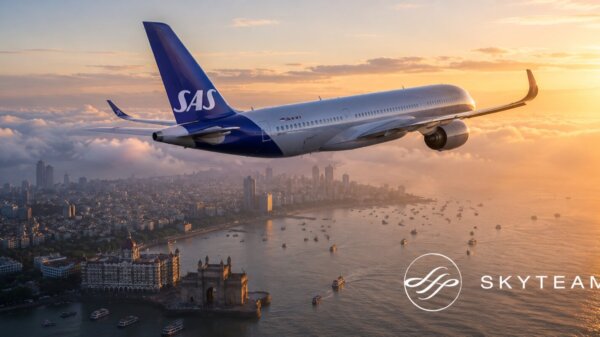
AeroRoutes reports that Singapore Airlines will maintain daily A380 service on Singapore-Dubai and on Singapore-Melbourne flight pair SQ237 and SQ228 from 25 October 2026, instead of dropping those sectors to the 777-300ER as previously filed. That alone is a strong statement. Airlines do not keep very large premium-heavy aircraft on a route unless they believe both demand and strategic relevance justify it.
The Frankfurt changes point the same way. AeroRoutes says the airline will replace A380 flying there with the 777-300ER on some operations while also increasing one nonstop terminator from seven to thirteen weekly through mid-January 2027. Meanwhile, Kochi is scheduled to fall from 14 weekly flights to 10 weekly from 1 February to 27 March 2027.
What Singapore Airlines Is Prioritising
The pattern suggests the airline is concentrating its biggest premium signal where it sees the most durable upside. Dubai and Melbourne are both markets where premium traffic, onward connectivity and brand presence carry real weight. Keeping the A380 there is not just about seat count. It is about product positioning.
Frankfurt is more nuanced. The carrier appears willing to trade some aircraft type glamour for higher frequency and sharper matching of capacity to demand. That is often the more strategically intelligent move, especially in Europe, where schedule utility can matter as much as cabin spectacle. Kochi, by contrast, looks like a market where Singapore Airlines is comfortable being a little more conservative in the shoulder season.
Why This Matters Beyond One Airline
Schedule filings can look dry, but they are often one of the clearest windows into airline thinking. Long before earnings presentations translate decisions into strategy language, the aircraft types and weekly frequencies start telling the story. Here, the message is that Singapore Airlines is staying aggressive in markets that reinforce its premium identity and network usefulness.
That matters because the airline competes in an environment where Gulf carriers, European hub airlines and other Asian network operators are all recalibrating around the same disrupted long-haul geography. Deploying the A380 is therefore partly a commercial decision and partly a statement about where Singapore Airlines still wants to look unbeatable.
The Bottom Line
This filing is not dramatic in the way a new route launch is dramatic, but it may be more revealing. Singapore Airlines is showing where it wants to defend scale, where it wants frequency, and where it is willing to trim. For anyone watching how Asia’s best long-haul airlines are allocating scarce premium capacity, that is valuable information.