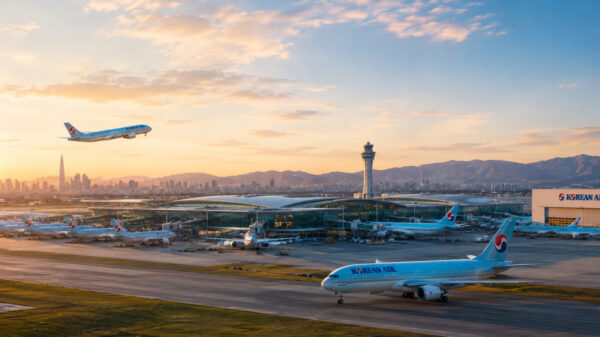
EVA Air is bringing Airbus A330-300 operations back into selected Kaohsiung international flying, replacing smaller A321 service on routes to Macau, Shanghai Pudong, and Tokyo Narita. For Southern Taiwan, the aircraft change is a useful sign that the region’s international network is getting more serious capacity again.
A Widebody Step Up From Kaohsiung
AeroRoutes reports that EVA Air filed A330-300 operations from Kaohsiung in late May 2026, replacing A321 aircraft on selected services. The affected flights include Kaohsiung-Macau, Kaohsiung-Shanghai Pudong, and daily Kaohsiung-Tokyo Narita service.
The aircraft change is not the same as launching a new route, but it can be just as meaningful. Widebody deployment brings more seats, more cargo capacity, and often a different passenger experience. On routes like Tokyo and Shanghai, where demand can include leisure, business, group travel, and connecting passengers, the A330 gives EVA more room to work with.
Why Kaohsiung Matters
Taiwan’s international aviation story is usually dominated by Taipei Taoyuan, but Kaohsiung is strategically important for the south of the island. Better international service can reduce the need for passengers to backtrack through Taipei and can help Southern Taiwan capture more direct inbound traffic.
For EVA Air, stronger Kaohsiung flying also supports network balance. Taipei will remain the primary global hub, but selective widebody use from Kaohsiung can reinforce the airline’s domestic brand strength and make its regional network more useful.
A Star Alliance Angle
EVA’s Star Alliance membership gives its regional network extra relevance for frequent flyers. Even when a route is short-haul, aircraft capacity and schedule depth can influence how useful it is for award travel, connections, and partner itineraries. A larger aircraft does not guarantee better award space, but it can improve the overall inventory picture.
The Kaohsiung A330 return is also a reminder that post-recovery growth is not only about new long-haul flights. Sometimes the important shift is putting the right aircraft back into regional markets where demand is strong enough to support it. For Southern Taiwan travelers, that may be the more practical improvement.